
Ear Speaker Cleaner
A high-frequency tone precisely matched to the small drivers found in smartphone earpieces and Bluetooth earbuds to clear wax and oil.
سماعة الأذن لأسفل · مستوى الصوت 70% · 30-60 ثانية
Why the Earpiece Fails Differently
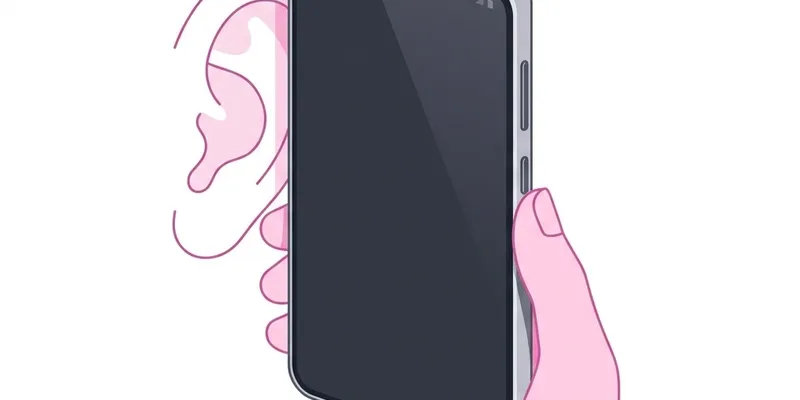
The main speaker at the bottom of your phone usually fails due to water splashes or pocket lint. The earpiece at the top of your phone, however, faces a much grosser enemy: human biology.
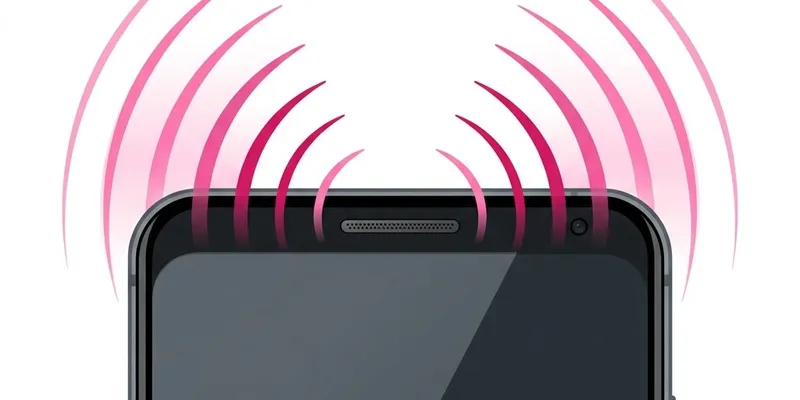
Every time you make a phone call, you press the top grille against your skin. Sweat, makeup, face oil, and earwax are constantly pushed into the microscopic mesh of the earpiece. Over time, this mixture hardens into a dense wax seal. Because the earpiece speaker is physically tiny, it doesn't have the acoustic power to blast this wax out on its own during a normal phone conversation. This results in incredibly quiet, muffled phone calls where you can barely hear the other person.
The Ultimate Earpiece Cleaning Routine
Because wax is sticky, sound waves alone are rarely enough. You must combine acoustic vibration with careful physical cleaning:
Set your phone volume to 70%. Run the Max Penetration mode for 60 seconds. This vibrates the mesh, weakening the wax's grip.
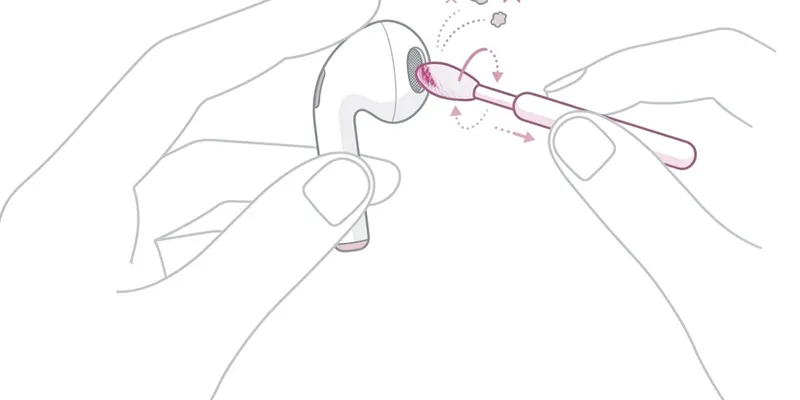
Take a soft, clean toothbrush and gently brush horizontally across the earpiece slit to dislodge the weakened wax.
Press a piece of Blu-Tack or similar mounting putty gently against the grille and pull it away to remove the loosened wax from the holes.
Using the Max Penetration Feature
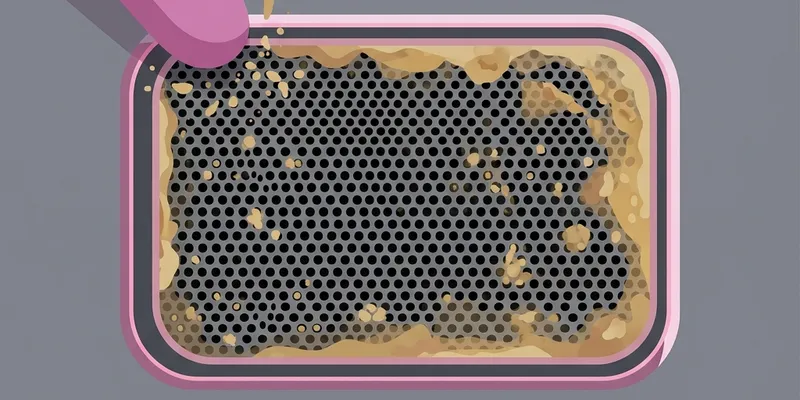
To break through a wax and oil seal, you need a high-pitched, piercing frequency that matches the resonant frequency of the small earpiece driver. Our standard mode uses a 2000 Hz to 4200 Hz sine wave.
If your earpiece is severely clogged (to the point where you have to use speakerphone for every call), enable the Max Penetration (Wax buildup) toggle in the tool above. This pushes the frequency range up to an extreme 2500 Hz to 5000 Hz and applies a very aggressive pulse rate. This high-energy vibration creates micro-fissures in the hardened wax, breaking its bond to the metal or fabric mesh so it can be wiped away.
Does this work on AirPods and Galaxy Buds?
Yes. Bluetooth earbuds like Apple AirPods, Samsung Galaxy Buds, and Sony earbuds use exactly the same type of micro-drivers as your phone's earpiece, and they suffer from the exact same earwax buildup problems.
To clean them: Take them out of your ears. Connect them to your phone via Bluetooth. Turn the volume up to 80%. Hold the earbuds with the main speaker grilles facing the floor, and run this tool for 60 seconds. Wipe away any wax that is pushed to the surface with a microfiber cloth.
The Biology of Earwax (Cerumen) vs. Electronics
To understand why your earpiece is failing, you must understand the substance blocking it. Earwax, medically known as cerumen, is a mixture of dead skin cells, hair, and secretions from the ceruminous and sebaceous glands in the outer ear canal. Its biological purpose is to protect the ear from bacteria, fungi, and water. However, its chemical properties make it an absolute nightmare for consumer electronics.
Why Earwax Sticks to Speakers
Unlike water, which evaporates, or dust, which can be blown away, earwax is highly viscous and adhesive. Its melting point is slightly above human body temperature. When you hold your phone to your ear for a 20-minute phone call, the heat generated by the phone's processor and screen warms the earwax resting on the speaker grille. This slight warming makes the wax semi-liquid, allowing it to seep into the microscopic holes of the earpiece mesh.
When you end the call and put your phone down, the device cools. The earwax solidifies directly inside the metal or fabric mesh, creating an airtight, waterproof, acoustic seal. Over months of phone calls, this seal grows thicker and thicker until the tiny earpiece speaker can no longer push sound waves through it. This is why the person on the other end of the line sounds like they are whispering from miles away.
Cleaning Earbuds (AirPods) vs. Phone Earpieces
Our Ear Speaker Cleaner tool is highly effective for the top earpiece of smartphones, but it is also the absolute best way to clean wireless earbuds like Apple AirPods, Samsung Galaxy Buds, or Sony WF-1000XM4s.
Earbuds suffer from earwax buildup significantly faster than phone earpieces because they are physically inserted into the ear canal rather than just resting against the outer ear. If you notice that one AirPod is significantly quieter than the other, 99% of the time it is not a dead battery or a broken speaker—it is a wax blockage.
The "Silly Putty" Cleaning Hack
While the Max Penetration frequency (2500Hz - 5000Hz) will violently vibrate the wax to loosen its grip on the mesh, you still need a way to pull the solid wax out of the tiny earbud grille without pushing it deeper. Professional repair shops use a special acoustic putty, but you can achieve the exact same result at home using standard mounting putty (like Blu Tack) or even Silly Putty.
- Connect your dirty earbuds to your phone and place them on a table.
- Open the Ear Speaker Cleaner tool, enable Max Penetration, turn the volume to 100%, and press Start.
- While the high-pitched tone is playing, knead a small piece of mounting putty until it is warm and pliable.
- Gently press the putty against the earbud grille and peel it away. Do not mash it in aggressively. The vibration of the sound wave prevents the putty from sticking to the speaker, while the stickiness of the putty pulls the loosened wax out of the holes.
- Repeat this 4 or 5 times until the grille is completely silver/black again. Your earbuds will sound brand new.
Why Isopropyl Alcohol is Dangerous for Earpieces
Many online guides recommend dipping a Q-tip (cotton swab) in rubbing alcohol (isopropyl alcohol) to dissolve earwax on a speaker grille. While alcohol is a great solvent for wax, this is incredibly risky for top earpieces.
The bottom speaker of a phone is usually a large module sealed in a plastic box. The top earpiece, however, is often directly integrated with the front-facing camera, the ambient light sensor, and the FaceID dot projector (on iPhones). If you apply too much liquid alcohol, it will easily dissolve the wax, seep through the mesh, and pool directly onto the camera lens or FaceID sensors located right behind the grille.
Once alcohol dries on the inside of a camera lens, it leaves a cloudy, permanent chemical residue. It can also instantly short-circuit biometric sensors. This is why dry acoustic cleaning (using high-frequency sound waves) combined with a dry soft brush or putty is the only manufacturer-approved way to clear earpiece blockages.
الأسئلة الشائعة الأكثر تكراراً
Can I use this while wearing my earbuds?
No. The high frequencies used in this test (2000–5000 Hz) are piercing and uncomfortable at close range. Always take your earbuds out and set them on a table before running the cleaner.
Why is the pitch so much higher than the water eject sound?
The earpiece on a phone (and the drivers in earbuds) are physically much smaller than the main bottom speaker. To make a small speaker membrane vibrate effectively, you must use higher acoustic frequencies. Low frequencies won't move them enough to shake out debris.
Will this fix the microphone too?
No. The microphone is an input device and cannot play sound. However, the microphone is usually located right next to the bottom speaker, so running the standard Water Eject mode can sometimes vibrate nearby microphone water out by proximity.